


When I picked up Proust’s In Search of Lost Time, I honestly wasn’t expecting the over 4800 page novel to intersect so closely with my work. I founded Going Coastal, a nonprofit focused on coastal preservation, and I spend most of my days thinking about educating folks about our precious waterways and shores. So when I joined the Proust first time readers group at the Jefferson Library in Greenwich Village five years ago —seven volumes about fin de siecle France and memory—I thought, this was a different kind of challenge, one I had always wanted to take.
Turns out it wasn’t different at all.
Proust chose water for the same reason I did: because water connects and preserves things even as it changes them. Fire destroys. Water reshapes. It wears things down gradually, carries them forward. That’s exactly how coastal change works—not catastrophic, but erosive. Not annihilation, but transformation. Reading Proust, I kept thinking: Marcel gets it. Time works like tide.
Swann’s Way: The Everflowing Stream of Water
The first volume starts with these streams around Combray. The narrator just mentions it flowing somewhere in the background of his childhood, sometimes visible, sometimes hidden under grass and flowers, but you can always hear it if you’re paying attention.
It’s not the main event—there’s all this drama happening with the adults, with Swann’s jealousy and salon parties and social intrigue—but the stream just keeps flowing. Indifferent. Continuous. Carrying everything forward.
That’s exactly what healthy watersheds do. They’re not always visible, but they’re continuously working. The best conservation work is the stuff you barely notice. The stream that just keeps flowing. The wetland that quietly filters runoff. The marsh that absorbs storm surge without anyone filming it for the news.
Proust writes: “The water did not merely pass; it seemed to carry with it the hours of the day and the changing light, as though time itself were flowing there beside me.”
Yes! They carry time. They carry the whole history of a place—the sediment from upstream, the nutrients from last season, the memory of every rainfall that ever flowed through them. When we lose a stream, we don’t just lose water. We lose a thread of continuity that’s been running for thousands of years. It’s memory, habitat continuity, coastal resilience all in one continuous flow.
In the Shadow of Young Girls in Flower: Everything Changes
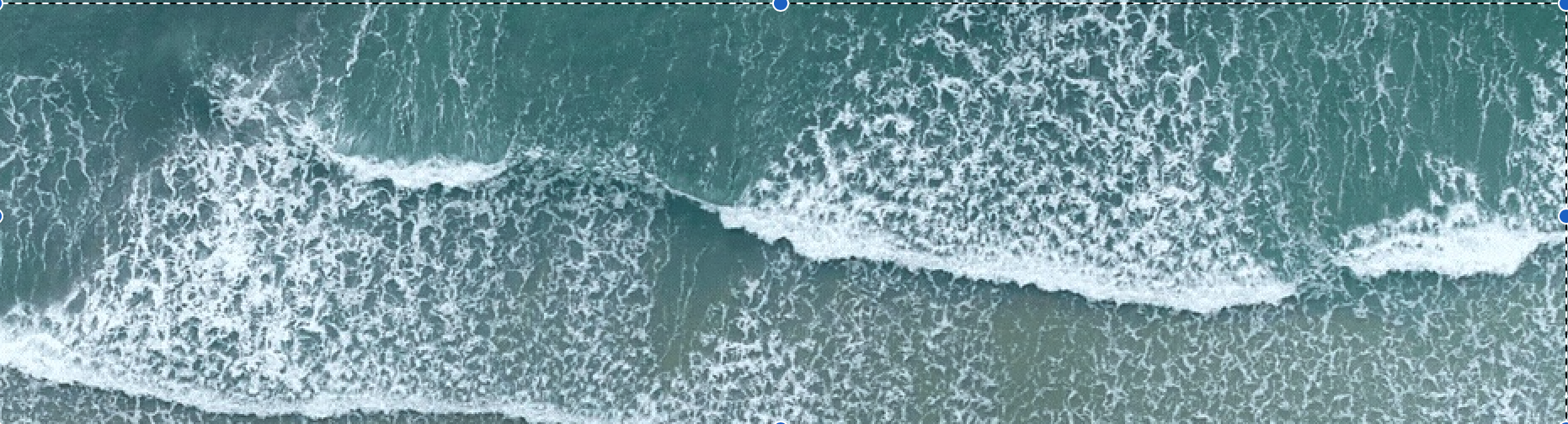
Then the narrator goes to Balbec, this seaside town, and suddenly water isn’t background anymore—it’s everything. The sea is constantly changing colors, reflecting different light, and he can’t stop watching it. Every wave looks like the last one but isn’t.
He can’t stop watching the ocean. He tries to describe it and every description is different because it never stops changing. The sea never sits still. Every time you look, it’s different. Different light, different wind, different tide, different patterns in the waves. It’s the same ocean but it’s never the same ocean.
“Each wave resembled the one before it, yet was different, as though the sea were repeating itself while continually correcting itself.”
That’s coastal dynamics in a sentence. That’s why static solutions don’t work. You can’t build one seawall and declare victory because the ocean is going to keep changing, keep adapting, keep coming at the problem differently. The ocean is a conversation that never ends. It’s constantly testing, adjusting, trying different approaches. You can’t win an argument with something that never stops revising its position.
The beach at Balbec is this in-between space—not land, not sea. Proust obsesses over it. We call these liminal zones “ecotones,” and they’re the most biodiverse, most productive, most vulnerable spaces on the coast. Marshes. Dunes. Tidal flats. Places that shift with every tide, every season. Places that are neither one thing nor another, which is exactly what makes them so important.
The Guermantes Way: When Water Stops Being Water
In the third volume, Proust starts going to fancy parties with aristocrats, and suddenly all the water imagery shifts. It’s not real water anymore—it’s ornamental fountains, aquarium metaphors, people described like exotic fish behind glass. Water that’s controlled, displayed, made decorative.
I see this all the time in my work. Developers that want “water features” for their properties while channeling the streams into culverts. Water as aesthetic choice rather than living system.
Proust describes these society ladies as “marine creatures which, surrounded by water, remain inaccessible, and which one can observe only through the thick glass of an aquarium.”
That’s it exactly. Water that you look at through glass isn’t water anymore. It’s design. It’s status. It doesn’t flow, doesn’t support life, doesn’t do anything except look exclusive.
The aristocrats in this volume live in a world where everything is predictable and pretty, where actual change would be threatening. Where the messiness of real ecosystems would be unacceptable. As if water exists to reflect their good taste rather than to sustain life.
And that’s when water stops being dynamic—when it gets trapped behind glass or collected into motionless pools purely for show. It becomes stagnant. It loses everything that makes it water.
Sodom and Gomorrah: Underground Currents
This volume is darker, dealing with hidden desires and secret lives, and Proust shifts to talking about subterranean water—channels underneath Paris, currents you can’t see but that control things from below.
“Certain impulses pass through us like subterranean waters, invisible yet irresistible.”
The French drains of emotion and desire that Proust writes about. That’s how I think about coastal hydrology now. All these hidden pressures and flows that shape everything above ground.
A healthy coastal system has these invisible flows happening constantly—freshwater percolating through dunes, saltwater infiltrating at high tide, whole hydraulic exchanges happening below the surface. These massive underground exchanges that shape entire ecosystems.
Sometimes I think about all the hidden waterways under cities. The buried streams still flowing in culverts beneath streets. The watersheds that exist in drainage plans but nowhere in lived experience. Water that’s been exiled underground, forced to keep flowing in the dark where nobody has to think about it.
Those streams are still there. Still carrying their tributaries of memory. Still trying to reach the ocean. We just don’t let them be seen.
The Captive: The Aquarium Problem
This is the volume that breaks my heart. The narrator essentially imprisons his girlfriend Albertine—keeps her in his apartment, watches her constantly, and Proust uses this metaphor: “I had placed Albertine in my life like a fish in an aquarium.”
Everything beautiful about her dies. The mystery, the wildness, the change—all of it suffocates behind glass. He can see her constantly but can’t actually reach her. She’s visible but sealed off. Present but absent. Swimming in circles because there’s nowhere else to go.
“Her life flowed beside mine, visible at every moment, yet sealed off, like the life of creatures one watches through glass.”
This is what happens when you try to freeze something dynamic. Albertine was like the sea at Balbec—free, changing, impossible to pin down. Once he traps her, she’s not the same person. The mystery dies. The desire dies. Everything dies except the physical presence.
Living systems have to move. Have to adapt. Have to migrate and shift and find new equilibria. A marsh that can’t move inland as waters rise isn’t being preserved—it’s drowning. We’re keeping it in an aquarium and calling it conservation. Preservation without adaptation is just a slower kind of destruction.
That’s the tragedy of the aquarium approach to anything living. You can see everything but touch nothing. You’ve traded relationship for surveillance.
The Fugitive: The Ghost Tides
Albertine escapes and dies, and the water imagery floods back—but now it’s all memory and grief. All absence.
“I saw her go, and it was as though a tide had receded, leaving the sands bare.”
Loss in coastal work feels exactly like this. When we lose a wetland to development or a beach to erosion, there’s this empty space left behind. You can see exactly where the water used to be. The ghost of what was there.
But Proust also writes about the sea at Balbec returning in memory: “I recalled the shore at Balbec, the waves still breaking endlessly in my mind, though I would never walk there again.”
The waves keep breaking. That’s the thing about water and memory—they both keep moving. Memory is its own kind of hydrology, flowing whether or not the physical system still exists. The waves keep breaking in my mind even when the beach is gone.
This is why we fight so hard to protect these places. Not just for current ecosystems but for the continuous memory of them, the way they shape how we understand where we live. For the ongoing story. For the possibility that future generations will have their own muddy boots and salt-wind memories instead of just our nostalgic stories about how it used to be.
Time Regained: Everything Flows Together
The last volume is where Proust finally figures it all out. Where he realizes that time isn’t linear—it’s hydraulic. Past and present exist simultaneously, flowing into each other. Everything connects.
“All the past, all that I had thought lost, flowed back into me like a river breaking its dam, carrying with it every sensation I had ever experienced.”
Water connects everything. One flowing conversation across time. Proust’s In Search of Lost Time is about catching that flow. Showing how everything connects through time the way everything connects through water. The stream at Combray, the sea at Balbec, the rain in Paris, his mother’s presence “like a vast, tranquil ocean”—it all comes together.
It’s all one cycle. One continuous system. The rain that falls inland flows to rivers that flow to estuaries that flow to the ocean that evaporates back to rain. It’s all one cycle. Past water, present water, future water—it’s the same water, continuously circulating.
And memory works the same way. The experiences you had years ago aren’t gone—they’re still in the system, still influencing everything downstream. A childhood on the beach shapes your entire relationship with the coast. A volunteer cleanup day creates memories that ripple forward into future conservation work.
As someone who’s spent more than twenty years thinking about spotlighting coastal assets, this makes perfect sense. It’s not a metaphor. It’s literally how water works. It’s literally how everything works.
I completely get why people call this the greatest novel ever written. It’s about how experience flows through us like water through a landscape—shaping us, carrying us, connecting everything we’ve ever been to everything we’re becoming.
Why This Matters for Conservation
Reading Proust changed how I talk about our work at Going Coastal.
I used to present everything in terms of ecology, policy, outcomes. All important, but not what moves people. Now I talk about memory and continuity. I talk about the creek you played in as a kid, and whether your grandkids will get to play there too. I talk about beaches that hold your family’s history, marshes that remember centuries of tides, rivers that carry forward everything upstream.
Because that’s what water does, and that’s what Proust understood: Water is memory made visible. It preserves through change. It connects past to present to future in one continuous flow.
When we protect waterways, we’re not just saving ecosystems. We’re preserving the continuous memory of place, the flow of experience through generations, the possibility that time itself will keep moving through these landscapes the way it always has.
Proust spent seven volumes proving that time is water. That memory flows. That everything connects through invisible currents that we can feel even when we can’t see them.
I spend every day trying to keep that water flowing. Same project, different medium.